DAO legal wrappers compared: plugs vs skins
The universe of DAO related corporate entities can be divided into two categories: DAO plugs and DAO skins. By understanding this distinction, founders and their advisors can choose the right vehicle for their project's operational needs, ideological preferences, and regulatory requirements.
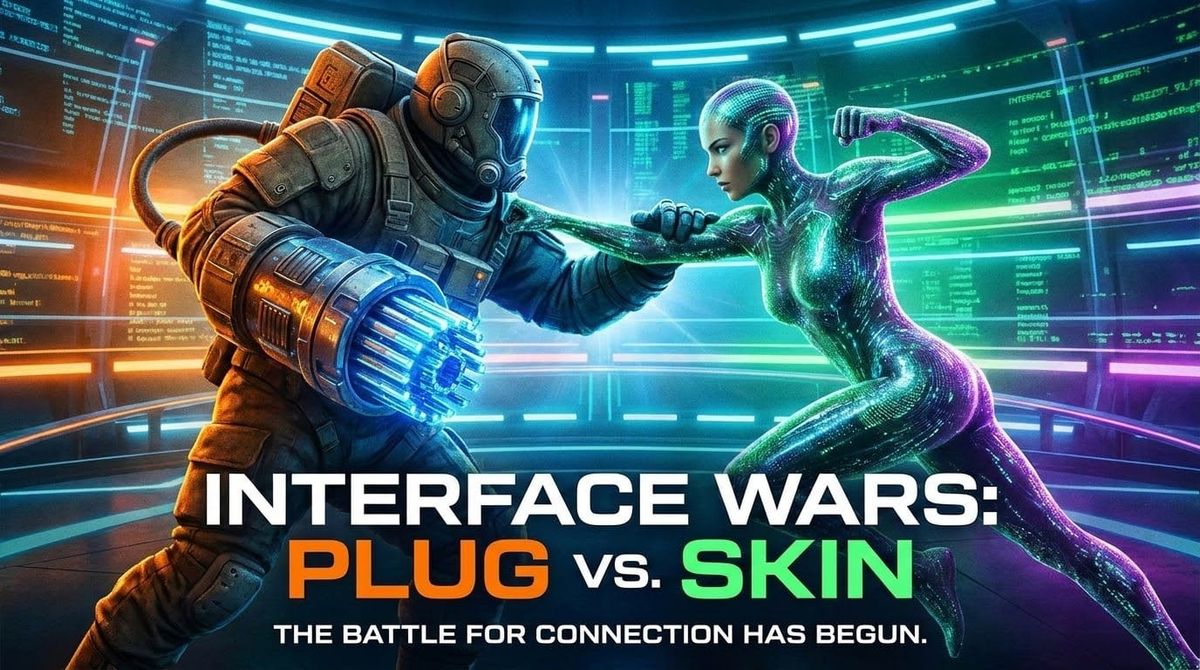
There are DAO wrappers and DAO wrappers. In this article, we introduce the world-famous* DAO SPV typology of DAOs wrappers. We believe that the universe of DAO related corporate entities can be divided into two categories: DAO plugs and DAO skins. By understanding this distinction, founders and their advisors can choose the right vehicle for their project's operational needs, ideological preferences, and regulatory requirements.
*or at any rate, our soon to be world-famous typology
Who is this for? Founders, advisors, and anyone working with DAOs.
How to use it: This is a guide to different DAO wrapper types, designed to help projects consider their options. To set up a DAO legal wrapper, or to learn more, feel free to contact us at contact@daospv.com
Why do DAOs need wrappers?
For founders building decentralized protocols and the lawyers advising them, the question of legal structuring is an important one, and all the more so as projects grow. Operating an unwrapped Decentralized Autonomous Organization (DAO) exposes token holders to the risk of general partnership liability, where any member could be held personally liable for the debts, torts, or regulatory infractions of the entire protocol. As the assets and activities of a particular DAO increase, remaining unwrapped thus becomes more and more risky for its token holders. Fundamentally, DAOs with assets need legal protections. For this, they need some sort of legal wrapper.
What is a DAO wrapper?
A DAO wrapper is a legal entity that interfaces between a decentralized autonomous organization and the off-chain legal world, allowing the DAO to hold assets, sign contracts, and shield token holders from personal liability.
These wrappers allow DAOs to open bank accounts, sign contracts with service providers, pay taxes, and shield their contributors from personal ruin. However, not all wrappers are created equal. DAO wrappers are born in different legal traditions, and as different entity types - ranging from foundations, to trusts, to specialised DAO LLs. As such, the legal mechanics by which a DAO interacts with its wrapper vary wildly across jurisdictions, leading to profound differences in liability, control, and decentralization - differences that are, in turn, heavily influenced by whether or not a DAO is fully wrapped or semi wrapped - a plug, or a skin.
The core distinction that separates DAO wrappers: membership vs. instruction
The difference between a fully wrapped and semi-wrapped DAO hinges on a single, critical legal question: Are the token holders formally recognized as members of the legal entity?
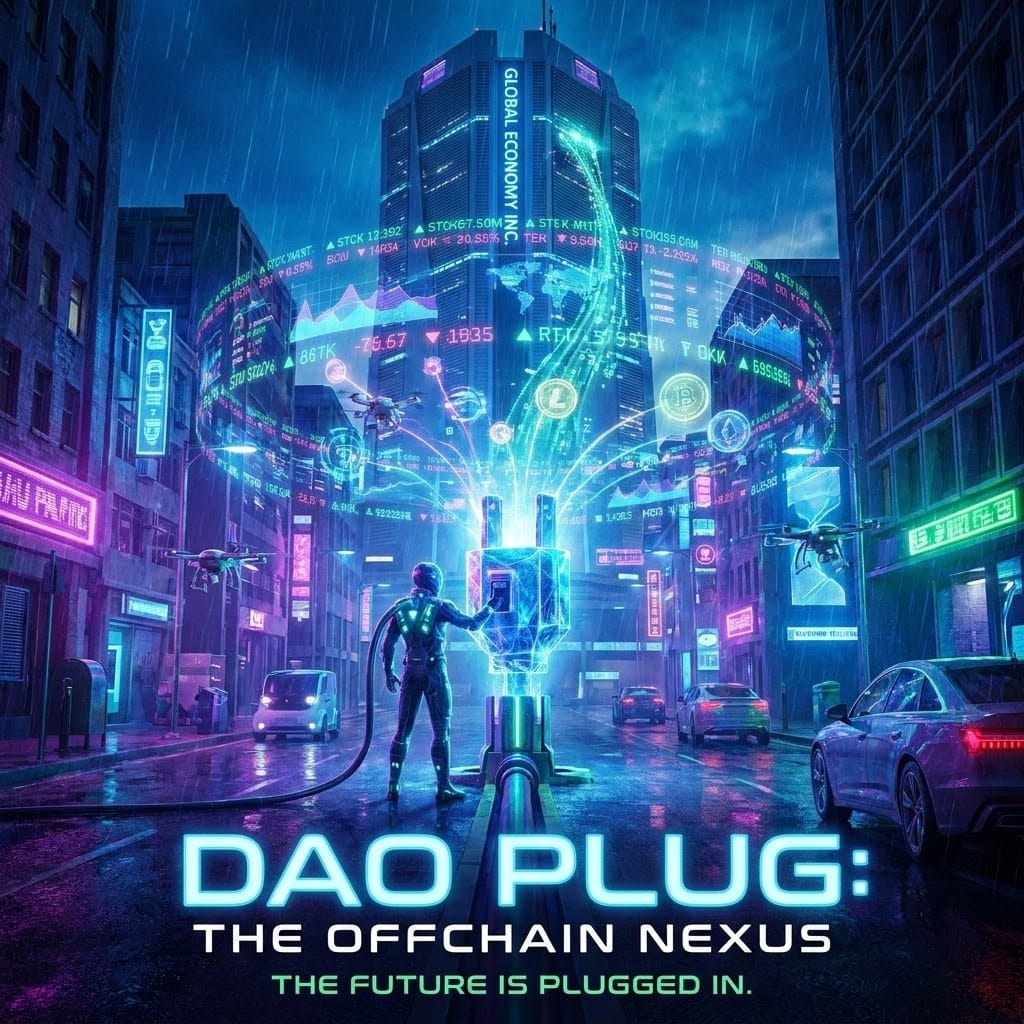
Plugs - Semi-Wrapped DAOs
In a semi-wrapped structure, the DAO and the legal entity are distinct and separate. The token holders are not members, shareholders, or owners of the wrapper. Instead, the wrapper is an "ownerless" entity (typically a foundation) that exists alongside the DAO. Think of this as a plug - it is a place where the DAO connects to the real world, an interface that provides protection to the AO.
The on-chain DAO acts as an external signaling & instruction mechanism, passing resolutions that instruct the foundation's off-chain directors or council members. Crucially, these human directors retain legal discretion and fiduciary duties; they are bound by the foundation's constitution to enact the DAO's will, but the foundation itself is not the DAO. If the DAO votes to do something illegal under local law, or contrary to their duties under the foundation’s constitution, the directors must refuse. The token holders remain an unincorporated association of individuals, relying on the foundation to act as a shield for things like treasury activities, but without direct statutory protection for themselves.
The key thing to remember is that this wrapper exists to provide a legal vehicle and liability protection for the DAOs activities, as enacted through the wrapper. If the DAO does something outside of the wrapper, it will not be covered.
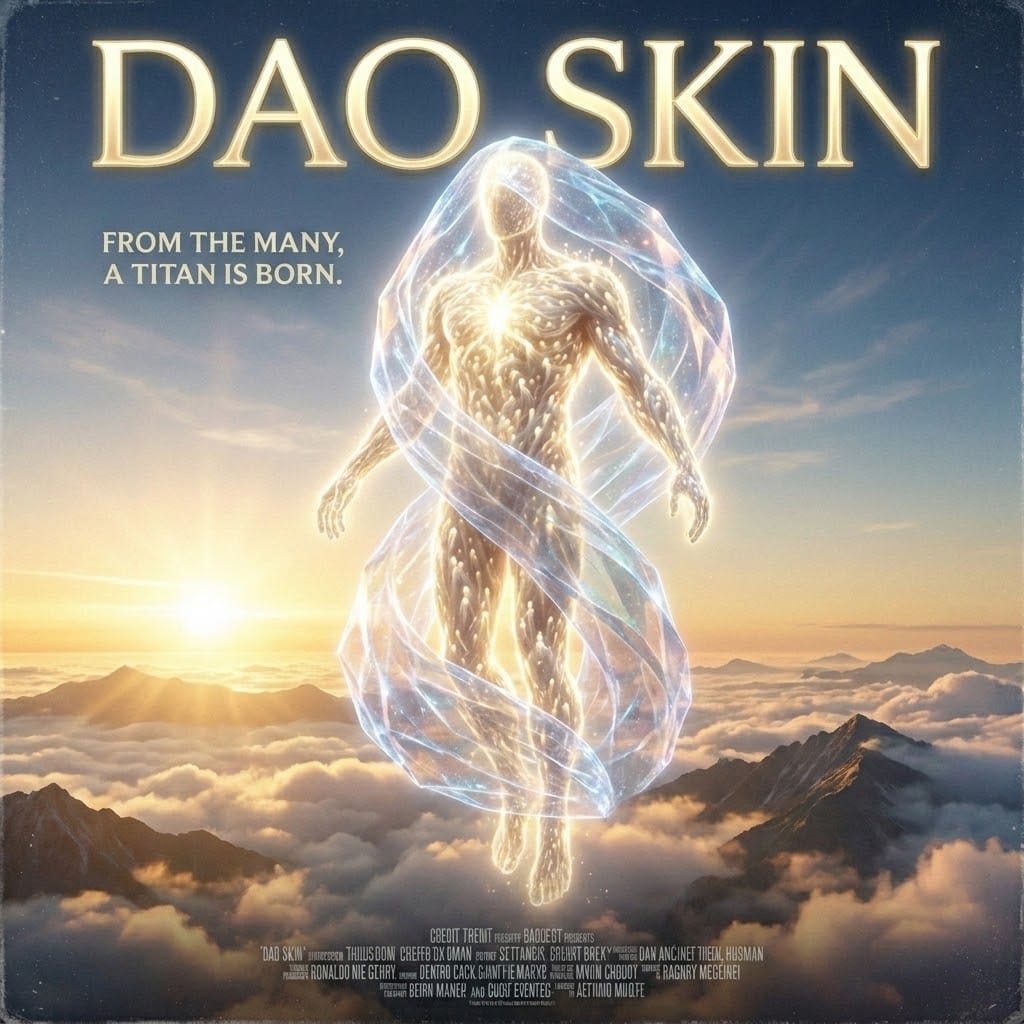
Skins - Fully Wrapped DAOs
In a fully wrapped structure, the legal entity is the DAO. The token holders are formally recognized under statute as the legal members of the entity. Think of this as a ‘skin’ - the DAO entity fully wraps the DAO itself, providing a membrane of protection.
On-chain votes are not mere signals to an external board; they are the legally binding resolutions of the entity itself. There is no (or very limited) requirement for an intervening board of directors with independent discretion, allowing for a purer translation of smart contract execution into legal reality. Insofar as the DAO chooses to have managers, these can be directly removed by token holder voting. Because the token holders are the legal members of the entity, the corporate veil of limited liability extends directly to them by statute, providing a much stronger and more direct shield against personal liability.
Part I: DAO Plugs (semi-wrapped structures)
Semi-wrapped structures are the workhorses of the crypto industry. They are typically established in offshore jurisdictions that recognize "ownerless" foundation companies, and trusts.. In each case, they represent the creative repurposing of pre-existing legal forms for use in a web3 context. Because they require human directors or council members to execute transactions, they are best suited to:
- Protocols that require significant off-chain operational management:
- Projects who want to maintain a degree of professional oversight over the treasury; and
- Projects who need to deal with banks and institutional partners.
1. The Cayman Islands Foundation Company for DAOs
The Cayman Islands Foundation Company (FC) is arguably the most popular DAO wrapper in existence. Created under the Foundation Companies Act of 2017, it is a highly flexible hybrid entity that functions like a company but has no shareholders.
How it works: The FC is established with a memorandum and articles of association that mandate the foundation to support a specific protocol or ecosystem. The DAO token holders are not members of the FC. Instead, the FC's constitution dictates that its directors must act in accordance with the outcomes of on-chain token holder votes.
Governance and Liability: Because the token holders are not members, they do not benefit from the statutory limited liability veil of the FC itself. The FC protects the treasury and the off chain actions it takes for the DAO, and it provides a vehicle to sign contracts. The token holders, however, remain an unincorporated association of individuals. While the FC acts as a buffer, plaintiffs could theoretically bypass the FC and sue the token holders directly as a general partnership.
Furthermore, the FC must have human directors and (if it is memberless) a supervisor (who ensures the directors follow the constitution). If an on-chain vote instructs the directors to perform an illegal act, or an act that breaches their fiduciary duties, the directors must exercise their discretion to refuse. This highlights the "semi-wrapped" friction: the DAO's on-chain autonomy is ultimately subject to off-chain legal reality and human veto. This can present an issue to projects with particularly strong ideological or operational commitments to decentralisation and automation.
On the flip side, institutional partners are highly familiar with foundation companies, and will be more able to partner with them as compared to some of the more exotic ‘fully wrapped’ entity types.
To read more about Cayman foundations, check out our previous article.
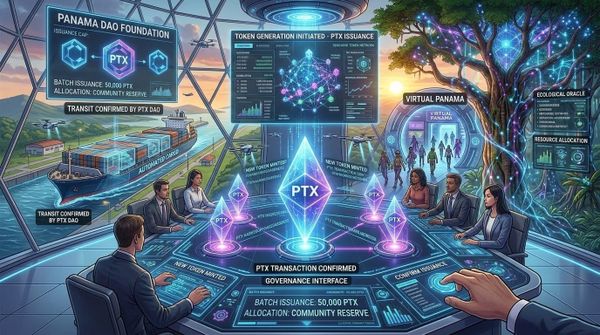
2. The Panama Private Interest Foundation for DAOs
The Panama Private Interest Foundation (PIF) operates on similar principles to the Cayman FC but is rooted in civil law rather than English common law. It has become a popular alternative for projects seeking a more cost-effective setup compared to that in Cayman.
How it works: A Panama PIF is an autonomous legal entity without owners, governed by a Foundation Council. The foundation's charter and regulations are drafted to recognize the DAO's smart contracts as the mechanism for generating binding instructions for the Council. The PIF is endowed with initial assets, and its purpose is to manage those assets for the benefit of the protocol.
Governance and Liability: Like the Cayman foundation, the token holders are external to the PIF. The PIF holds the assets and shields the Council members from liability, but the token holders themselves are not formally wrapped. Panama is often chosen for its strict privacy laws and lack of reporting requirements, but it retains the semi-wrapped limitation: the DAO relies entirely on the Foundation Council to faithfully execute its on-chain will in the real world. If the Council goes rogue, the token holders have limited legal recourse, as they are not the legal owners of the foundation. On the flip side, institutional partners will be more likely to deal with this well-known legal form and its human directors.
3. The Swiss Foundation (Stiftung)
Switzerland has a long history of hosting major crypto projects (e.g., the Ethereum Foundation, the Web3 Foundation), utilizing the traditional Swiss Foundation.
How it works: A Swiss Foundation is an endowment of assets dedicated to a specific, immutable purpose. It is governed by a Foundation Board, which is strictly bound by the foundation's deed and overseen by the Swiss Federal Supervisory Board for Foundations.
Governance and Liability: The Swiss Foundation is the most rigid of the semi-wrapped structures. Once the foundation's purpose is set, it is very difficult to change. The token holders are not members; they are merely participants in an ecosystem that the foundation is legally bound to support. The Foundation Board holds ultimate legal authority and must ensure that any DAO instructions align with the foundation's immutable purpose.
This makes the Swiss Foundation excellent for protecting a protocol's core mission and providing immense institutional credibility, but it is very poor for dynamic, iterative DAO governance. The token holders cannot easily pivot the protocol's direction if the Foundation Board determines that the pivot violates the original founding deed.
4. Guernsey / Jersey non-charitable purpose trusts
Purpose trusts in the Channel Islands (Guernsey and Jersey) are sometimes used in complex DAO structures, particularly for holding protocol IP, treasuries, or acting as the top-level steward of a decentralized ecosystem (e.g., the dYdX Foundation uses a Guernsey purpose trust).
How it works: This is a trust structure, rather than a foundation, company, or association. In a sense, a purpose trust is the ultimate semi-wrapped (or even "unwrapped") vehicle because a trust is not actually a legal entity at all - it is a legal relationship. The trust has no owners and no members. It is managed by Trustees who are bound to fulfill a specific purpose (e.g., "support the development of Protocol X"), overseen by an Enforcer. The DAO token holders are entirely external to the trust.
Governance and Liability: The Trustees hold absolute legal discretion and fiduciary responsibility. Token holders may pass on-chain votes that the Trustees consider, but ultimately it is up to the trustees to do what best advances the trusts’ purpose. The token holders receive no direct liability protection from the trust itself.
Part II: DAO Skins (fully wrapped structures)
These entities are specifically designed (or creatively adapted) to recognize token holders as legal members, granting them direct statutory limited liability and reducing or eliminating the need for an intervening board of directors. In this sense they 'fully wrap' the DAO; the entity encompassess all of the token holders. The DAO and the entity are one.
1. The Swiss Association (Verein)
While the Swiss Foundation is semi-wrapped and rigid, the Swiss Association is a fully wrapped alternative that is increasingly popular for DAOs. Originally designed for non-profit civil society groups, sports clubs, and political parties, it is a highly flexible, membership-based entity.
How it works: Under Swiss law, an association is formed by its members. For a DAO, the articles of association are drafted to explicitly state that anyone holding the protocol's governance token is legally a member of the association.
Governance and Liability: Because token holders are formally recognized as members, they directly benefit from the association's limited liability veil. The token holders (acting as the General Assembly) are the supreme governing body, and on-chain votes are legally recognized as the resolutions of the association.
While a board is required for administrative purposes, the power dynamic is inverted compared to a foundation: the token holders are the legal owners of the entity, not external signalers. They can hire and fire the board at will. The primary limitation is that Swiss Associations must be strictly non-profit and cannot distribute dividends or profits to token holders. They are ideal for protocol stewardship, but not for investment DAOs.
To read more about Swiss associations as DAO tools, feel free to read our previous article
2. The Wyoming DAO LLC
In 2021, Wyoming became the first US state to create a bespoke legal framework for DAOs by amending its Limited Liability Company Act. This was a watershed moment for the industry, providing the first statutory recognition of smart contracts as corporate bylaws.
How it works: The Wyoming DAO LLC allows an LLC's articles of organization to define the entity as algorithmically managed via smart contracts. The token holders are legally recognized as the members of the LLC.
Governance and Liability: This is a pure fully wrapped structure. Token holders receive the robust limited liability protections of a US LLC. Governance can be entirely member-managed via on-chain voting, with no requirement for a board of directors or managers.
However, the Wyoming DAO LLC has significant drawbacks. Because it is an LLC, it is a for-profit entity by default, which creates pass-through tax complexities for token holders. Furthermore, if the DAO is a for-profit US entity, the SEC is more likely to view the governance tokens as investment contracts (securities), creating massive regulatory friction.
3. The Wyoming DUNA (Decentralized Unincorporated Nonprofit Association)
Recognizing the tax and securities friction of the DAO LLC, Wyoming passed the DUNA Act in 2024, creating a breakthrough fully wrapped structure designed specifically to solve the problems of the DAO LLC.
How it works: The DUNA is a statutory non-profit association specifically tailored for blockchain networks. Like the DAO LLC, token holders are the legal members of the DUNA.
Governance and Liability: The DUNA provides statutory limited liability to all token holders, protecting them from the actions of other members or the protocol itself. Crucially, while it is a "non-profit" entity (meaning it cannot pay traditional dividends from corporate profits), the statute explicitly allows the DUNA to engage in for-profit activities and pay "reasonable compensation" to members for services rendered to the ecosystem (e.g., governance participation, liquidity provision, or staking).
This solves the major issues of the DAO LLC: it fully wraps the DAO, protects the members, provides a viable tax framework, and strengthens the argument that the token is not a security (since members are compensated for their efforts, rather than passively expecting profits from the efforts of others).
4. The Marshall Islands (MIDAO) DAO LLC
In 2022, the Republic of the Marshall Islands (RMI) passed the Decentralized Autonomous Organizations Act, creating a highly competitive offshore fully wrapped vehicle [9].
How it works: MIDAO LLC is modelled on Delaware corporate law but optimized for Web3. Token holders are the legal members of the LLC, and the operating agreement can be entirely encoded in smart contracts.
Governance and Liability: The RMI DAO LLC offers a range of attractions to international founders. It provides the fully wrapped limited liability of a Wyoming DAO LLC but sits in a tax-neutral offshore jurisdiction, and outside of the jurisdiction of the United States. It is useful for projects seeking a high degree of automation, as it does not require human managers or directors. This allows for pure on-chain governance.
Furthermore, unlike the Wyoming DUNA, the RMI DAO LLC can be elected as either a non-profit or a for-profit entity, providing maximum flexibility for revenue-generating DeFi protocols or investment DAOs. It has quickly become a premier choice for projects that want fully wrapped membership protection without US regulatory exposure.
Keen to learn more about the MIDAO LLC? Check out our blog post
5. The ADGM DLT Foundation
In November 2023, the Abu Dhabi Global Market (ADGM) - a financial free zone in the UAE with its own English common law court system - introduced the world's first bespoke Distributed Ledger Technology (DLT) Foundations framework. This creates an intriguing evolution of the wrapped and unwrapped form, containing the benefits of both.
How it works: While traditional foundations (like Cayman or Panama) are semi-wrapped, the ADGM DLT Foundation is uniquely designed to be fully wrapped. The regulations explicitly recognize "Tokenholders" as a distinct legal class within the foundation's architecture, alongside the Council and the Guardian.
Governance and Liability: The ADGM framework requires a Foundation Council, but it formally enshrines the power of the token holders. The foundation charter can grant token holders direct voting rights to approve or reject matters, remove council members, and dictate treasury actions. Importantly, the regulations provide statutory limited liability directly to the token holders.
The ADGM DLT Foundation bridges the gap between the institutional credibility of a foundation and the fully wrapped membership protections of an LLC or Association. It is a sophisticated vehicle, though it comes with higher setup costs, longer setup times, and stricter regulatory oversight than Caribbean alternatives.
6. RAK DAO Association (UAE)
In 2024, the Ras Al Khaimah Digital Assets Oasis (RAK DAO) in the UAE introduced the DAO Association Regime (DARe). This is a bespoke legal framework designed specifically for DAOs within a crypto-friendly free zone.
How it works: Under the DARe regulations, the DAO Association is formed as a Company Limited by Guarantee, and the DAO token holders are explicitly recognized as the "Members" of the association. Like the Swiss Association, it provides a direct legal container for the community, rather than relying on an external board to execute instructions. It is a non-profit entity type; all profits must be reinvested in furthering the objectives of the project.
Governance and liability: Each DAO must have a UAE registered manager. The law places a high emphasis on transparency; information about the DAO’s founding members, council members, and officers is available to the public through the register RAK DAO register. Because the token holders are the statutory members, they directly benefit from the limited liability veil provided by the entity.
DAO wrappers: a quick comparison
Below is a quick comparison chart through which to compare DAO wrappers
| Cayman Islands FC | Plug | No | Indirect (entity buffer) | Directors can veto on-chain votes | Flexible (can be for-profit) | Institutional-facing, grant-giving, high-credibility |
| Panama PIF | Plug | No | Indirect (entity buffer) | Council can veto on-chain votes | Flexible | Early-stage, cost-sensitive, crypto-native |
| Swiss Foundation | Plug | No | Indirect (entity buffer) | Board can veto; purpose is immutable | Non-profit / cannot operate for primary purpose of profit | Mission-driven, credibility-focused, purpose-locked |
| Guernsey/Jersey Purpose Trust | Plug | No | None for tokenholders | Trustees have absolute discretion | Depends on trust deed | IP holding, treasury stewardship, top-level structuring |
| Swiss Association | Skin | Yes | Direct | Members can hire/fire board at will | Non-profit / cannot operate for primary purpose of profit | Non-profit protocol stewardship, community-governed |
| Wyoming DAO LLC | Skin | Yes | Direct | None required; member-managed | For-profit (default) | US-centric projects, fully automatable, for-profit protocols |
| Wyoming DUNA | Skin | Yes | Direct | None required; member-managed | Non-profit but can pay compensation | US-centric projects, token-not-security argument, ecosystem incentives |
| MIDAO LLC | Skin | Yes | Direct | None required; can be fully automated | For-profit or non-profit (electable) | Offshore, tax-neutral, fully automatable, revenue-generating |
| ADGM DLT Foundation | Skin | Yes | Direct | Council exists but tokenholders can remove them | Flexible (foundation purpose) | Institutional, regulated, high-credibility, bridging both worlds |
| RAK DAO Association | Skin | Yes | Direct | Manager required; members govern | Non-profit only | UAE-based, transparent, non-profit protocols |
Conclusion: choosing the right wrapper
The choice between a semi-wrapped ‘DAO plug’ and fully wrapped ‘DAO Skin’ structure dictates the legal reality of a DAO. It is not merely a matter of paperwork; it determines who holds power, who holds liability, and how the protocol interacts with the offchain world.
DAO plugs: these semi-wrapped structures (Cayman, Panama, Swiss Foundations) are ideal for protocols, grant-giving bodies, or those requiring significant real-world interaction. They provide a robust, ownerless vehicle for treasury activity and other DAO operations, managed by professionals. By acting through & instructing the semi-wrapper structure, DAOs can isolate liability into the wrapper. However, founders must understand that the token holders themselves remain theoretically exposed to general partnership risk, and the DAO's on-chain autonomy is ultimately subject to the fiduciary veto of off-chain directors.
DAO skins: these fully wrapped structures (Swiss Association, Wyoming DAO LLC/DUNA, MIDAO, ADGM) incorporate token holders fully into the legal wrapper, and have the strongest emphasis on decentralized governance. By legally recognizing token holders as members, these vehicles extend the corporate veil directly to the community. They allow smart contracts to act as binding corporate bylaws, minimizing the reliance on human intermediaries and aligning legal reality with the ethos of Web3. This emphasis on smart contracts and decentralisation, however, can present challenges when dealing with the off-chain world.
For lawyers, understanding this typology is critical for advising clients on liability risks and regulatory exposure. For founders, it is the difference between building a protocol that simply signals its intentions to a board of directors, and one that legally embodies those intentions in its own right. Both approaches have their advantages.
Looking to set up a DAO wrapper? If you would like to learn more, feel free to contact us on contact@daospv.com